The short answer
By separating the jobs only people can do from the jobs a system can do. Matchdays, events, welcoming new families and coaching are human jobs. The website, the socials, getting team news out, telling parents where to be and reporting to sponsors are system jobs. Hand the system jobs off and a club that once needed a small army can run on a handful of volunteers.
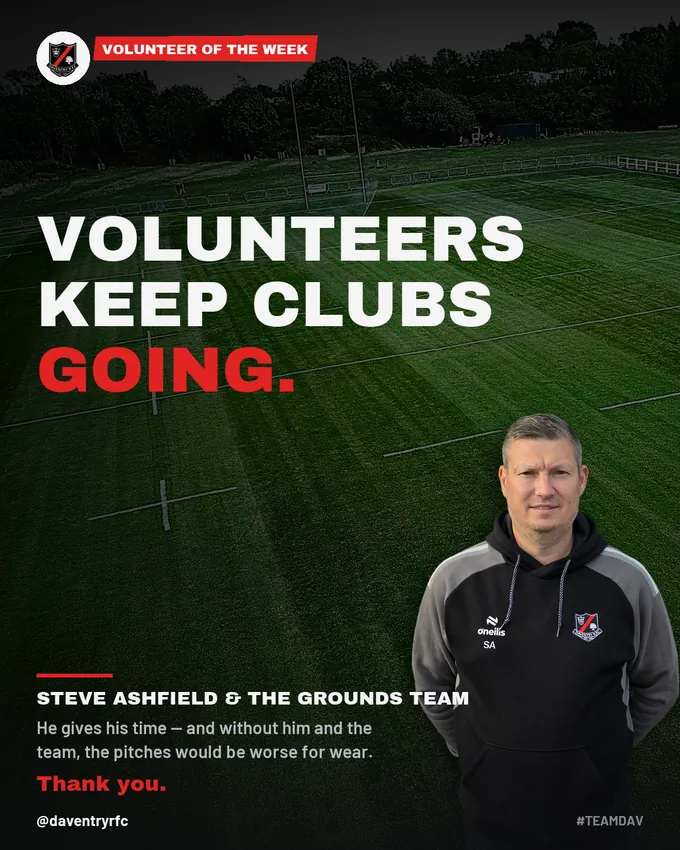
The problem is not too few sports club volunteers
Every grassroots club talks about needing more volunteers. But look at what the volunteers it already has are actually doing. Many of them are not doing the things they joined the club for. They are updating the website, chasing team sheets, answering the same parent question in five WhatsApp groups and trying to remember to post the result.
Those jobs matter. They are also the jobs that wear good people out, because nobody signed up for them.
Human jobs and system jobs
A useful exercise for any committee is to list every job the club does in a season and sort it into two columns.
| Human jobs | System jobs |
|---|---|
| Running the matchday | Fixtures and kick-off times going out |
| The bar and the clubhouse | The club website |
| Welcoming new players and families | Weekly social media posts |
| Coaching on the pitch | Team news and selections reaching players |
| Events and socials | Telling parents where to be and when |
| Looking after people | Sponsor reporting and renewals |
The left column needs people. The right column needs a system. Most clubs run both columns on volunteers, which is why everyone is stretched.
What a club operating system looks like
Clubs Social is building one connected system for the right-hand column, set up around how each club actually works. It has four parts:
- Club Socials. Matchday and club content, every week, in the club's colours.
- Club Sites. A club website, built and run.
- Club Comms. One board every parent, player and member can see, so the same question is answered once. Being built now.
- Club Coaching. The head coach sets principles and targets, coaches assess players, players see how to get better. Being built now.
Every club starts with a consultation about its roles, processes and gaps, then its version of the system is built around that.
Where to start
Start with the job that causes the most chasing. For most clubs that is the socials, because they are weekly, public and usually resting on one person. Take that off a volunteer's plate first and see what they do with the time back.
Questions clubs ask
Why are grassroots sports clubs short of volunteers?
Volunteers have less spare time than they used to, and much of what clubs ask them to do is admin rather than the sport or the social side they joined for. When those jobs pile up on a few people, they burn out and step back.
What jobs can a grassroots club hand off?
The repeatable, weekly jobs: social media, the website, fixture and team news updates, communication with parents and members, and reporting to sponsors. The jobs that need a person on the day, like running the matchday, coaching and welcoming people, stay with volunteers.
Is Clubs Social only for rugby clubs?
Clubs Social started with grassroots rugby and works with any grassroots club that wants to spend less volunteer time on admin. Football minis and juniors are the likely next sport.